

CatholicG33k | Catholic News & Archaeology
October 29, 2026
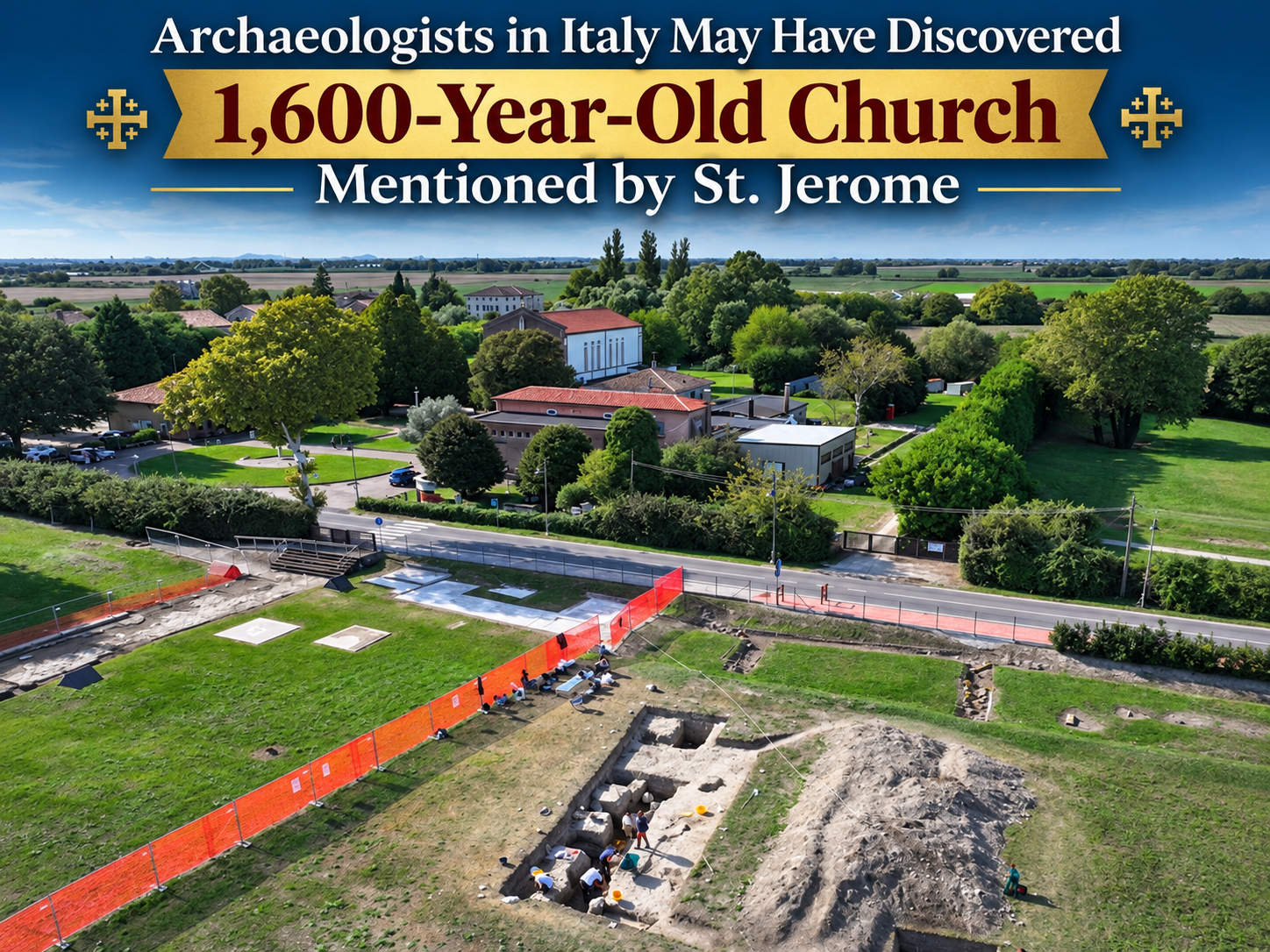
A remarkable archaeological discovery in northern Italy may have brought to light the remains of an ancient Christian church described by St. Jerome more than 1,600 years ago.
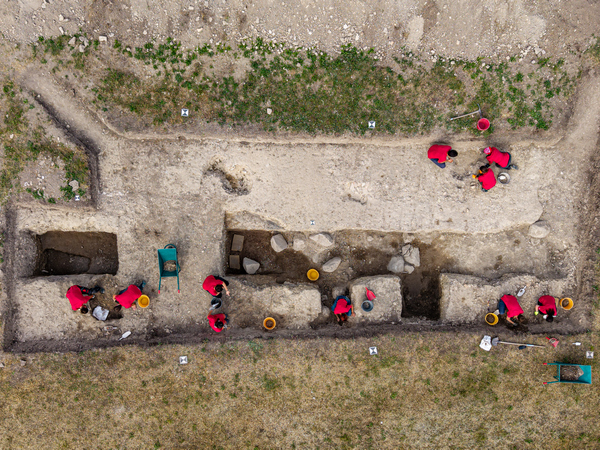
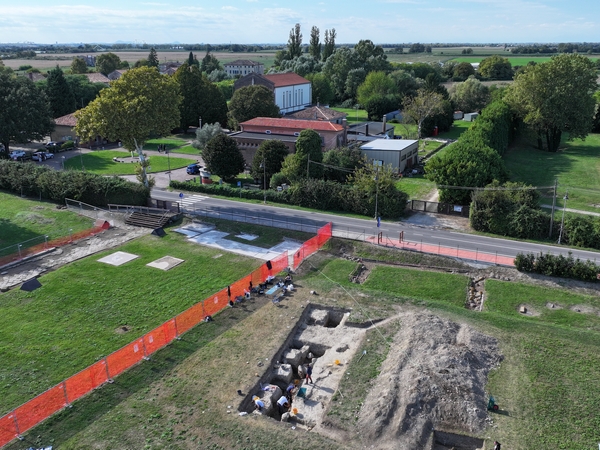
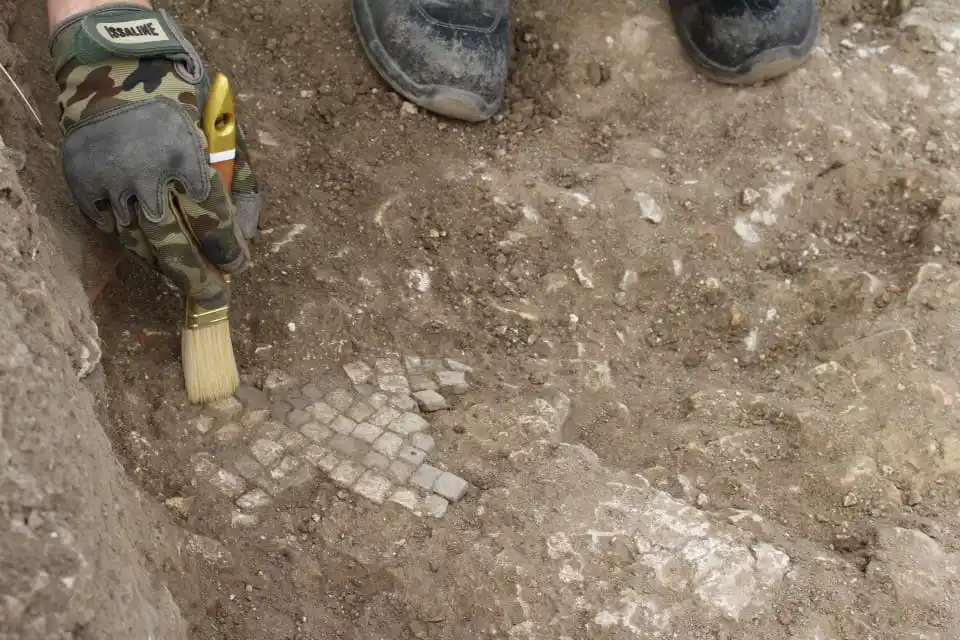
Researchers from Ca’ Foscari University of Venice announced on October 15, 2026, that excavations in the ancient Roman city of Altinum, near modern-day Venice, had uncovered what they believe to be an early Christian episcopal church dating to the late fourth or early fifth century AD.
The discovery is particularly significant because the church may be connected to a historical account written by St. Jerome, one of the four great Latin Doctors of the Catholic Church, in AD 396.
A Church Remembered by a Saint
In his Letter 60, addressed to Bishop Heliodorus of Altinum, St. Jerome praised the faithfulness of a young priest named Nepotian, who had devoted himself to serving God and caring for the local church.
Jerome described how Nepotian carefully maintained the sacred building, ensuring that its altar remained clean, its floors were swept, and its sacred vessels were properly cared for.
These details provide a fascinating picture of Christian worship and reverence for sacred spaces during the early centuries of the Church.
Now, more than sixteen centuries later, archaeologists believe they may have identified the physical remains of the church associated with those historical writings.
What Archaeologists Discovered
The newly identified church measures approximately 30 meters long and 20 meters wide. Its eastern orientation and architectural features are consistent with early Christian religious buildings found throughout the northern Adriatic region.
Researchers also uncovered a large neighboring structure believed to have functioned as the bishop’s residence.
The presence of these buildings suggests that Altinum was once an important center of Christian religious life, with an established episcopal community serving the faithful.
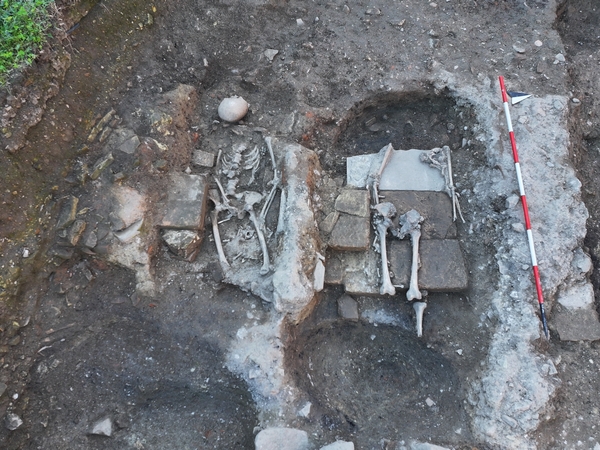
Additional discoveries include ancient burial sites and Christian artifacts, including a small object decorated with a cross.
Although the evidence strongly supports the identification, archaeologists emphasize that further research is needed before the site’s precise historical identity can be established conclusively.
Why This Discovery Matters to Catholics
This discovery offers an extraordinary connection between the written testimony of the early Church and the archaeological remains of the Roman world.
St. Jerome lived from approximately AD 347 to 420. He is best remembered for his extensive biblical scholarship and his Latin translation of Sacred Scripture, known as the Vulgate.
His writings remain among the most important historical witnesses to early Christian life, theology, and spirituality.
The possibility that archaeologists have uncovered a church connected to his correspondence reminds us that Christianity was already deeply established in parts of Europe long before the medieval period.
These ancient Christian communities possessed bishops, priests, churches, and organized forms of worship.
Their faith was not merely an abstract philosophical system. It was lived through prayer, sacred worship, service, and devotion to Jesus Christ.
Bringing the History of the Church to Light
For centuries, the church of ancient Altinum was known through historical accounts, while its physical location remained uncertain.
Now, modern archaeology may finally be helping to connect those written records with a real place where early Christians gathered in faith.
The findings also provide valuable information about the development of Christianity in northern Italy and the gradual transformation of Roman cities as the Western Roman Empire declined.
While the archaeological investigation continues, this discovery serves as a fascinating reminder of the Church’s enduring historical presence.
The buildings of ancient Christian communities may disappear beneath the earth, but their testimony to Christ can survive across centuries.
What was once preserved in the writings of St. Jerome may now be emerging from the soil of Italy, offering Catholics and historians another remarkable window into the life of the early Church.
Sources
- Ca’ Foscari University of Venice — The Oldest Church in the Venetian Area Unearthed at Altino by Ca’ Foscari Archaeologists. Official university archaeological research announcement, October 15, 2026.
https://www.unive.it/web/en/15205/article/8874 - St. Jerome — Letter 60 (To Heliodorus), especially Section 12, written in AD 396. Published in Nicene and Post-Nicene Fathers, Second Series, Volume VI.
https://www.newadvent.org/fathers/3001060.htm - St. Jerome — Letter 52 (To Nepotian), approximately AD 394. A primary historical source concerning the priestly life and duties of Nepotian.
https://www.newadvent.org/fathers/3001052.htm


2026 CatholicG33k | Catholic News, History & Faith
Faith. Reason. Tradition.