

Category: Catholic Apologetics
-
Reading Luther’s Large Catechism as a Catholic:What the Reformation Did—and Did Not Leave Behind
CatholicG33k | Catholic Apologetics, Church History, and the Sacraments A careful Catholic reading of Martin Luther’s own catechism reveals important sacramental continuities with the ancient Church—and equally important disagreements over justification, the Eucharistic sacrifice, ecclesial authority, and the meaning of Tradition. Scripture for Meditation: John 3:5; John 6:56; 1 Timothy 3:15; Philippians 2:12–13 There is…
-
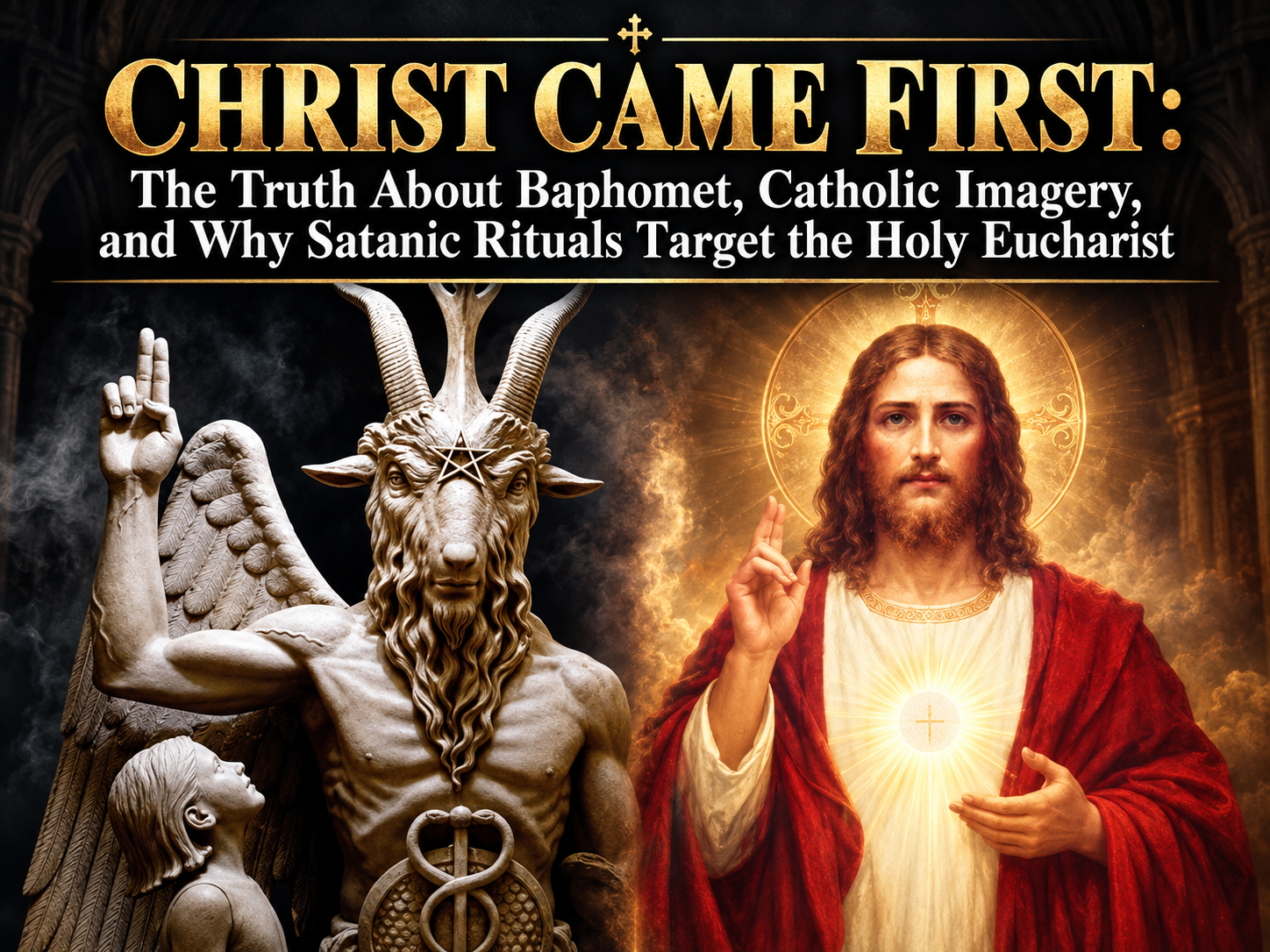
CHRIST CAME FIRST: The Truth About Baphomet, Catholic Imagery, and Why Satanic Rituals Target the Holy Eucharist
How a 19th-century occult symbol became ammunition against Catholicism—and why the Real Presence of Jesus Christ remains at the center of the spiritual battle. By Catholicg33k The Accusation: Is the Catholic Jesus Really Baphomet? A disturbing image circulating across social media places traditional Catholic artwork of Jesus Christ beside a statue of Baphomet, the goat-headed…
-
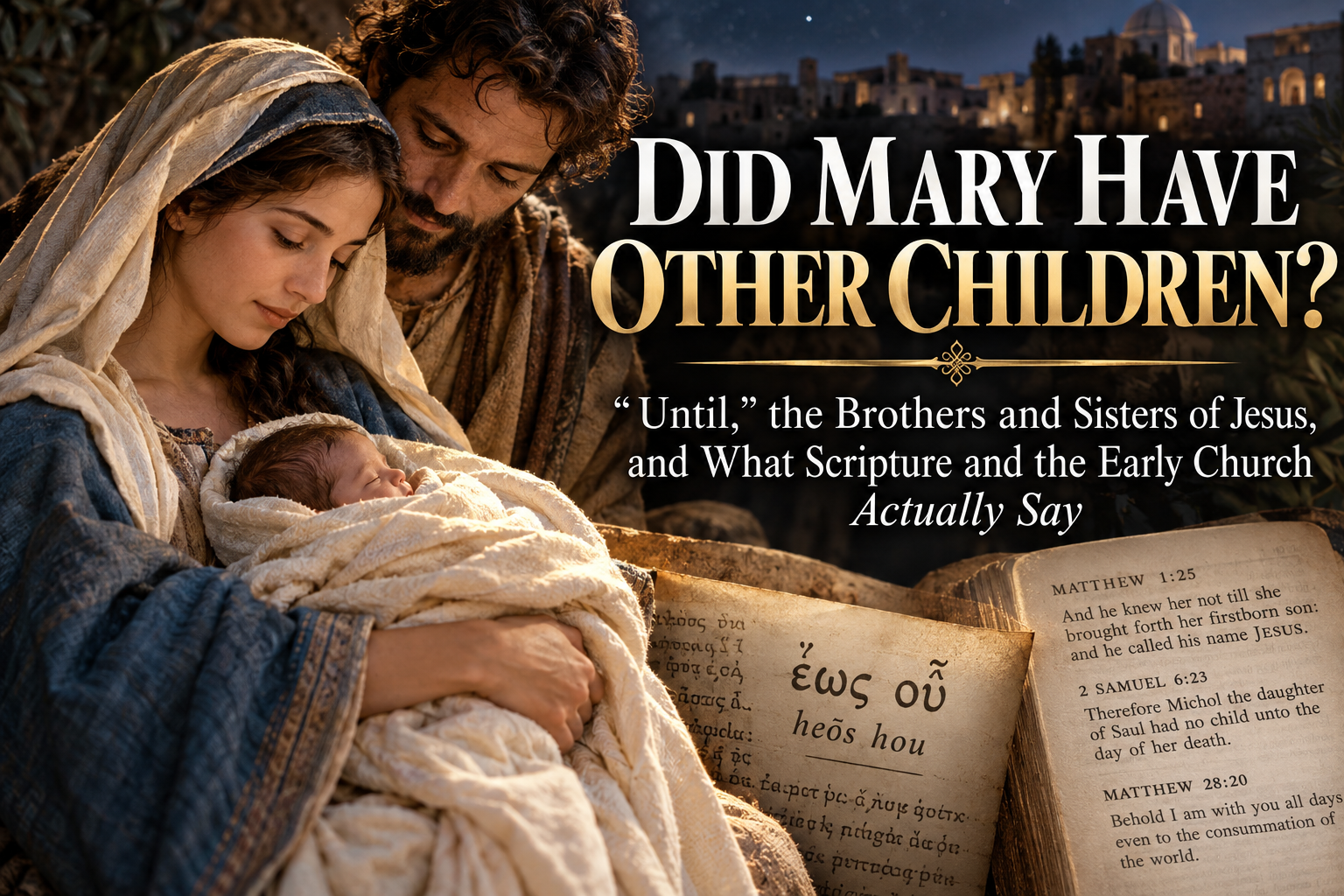
Did Mary Have Other Children?
Until,” the Brothers and Sisters of Jesus, and What Scripture and the Early Church Actually Say Few Marian questions generate as much confusion as the perpetual virginity of the Blessed Virgin Mary. A common objection sounds simple: “Matthew says Joseph did not know Mary until Jesus was born. Then Scripture calls James, Joseph, Simon, and…
-
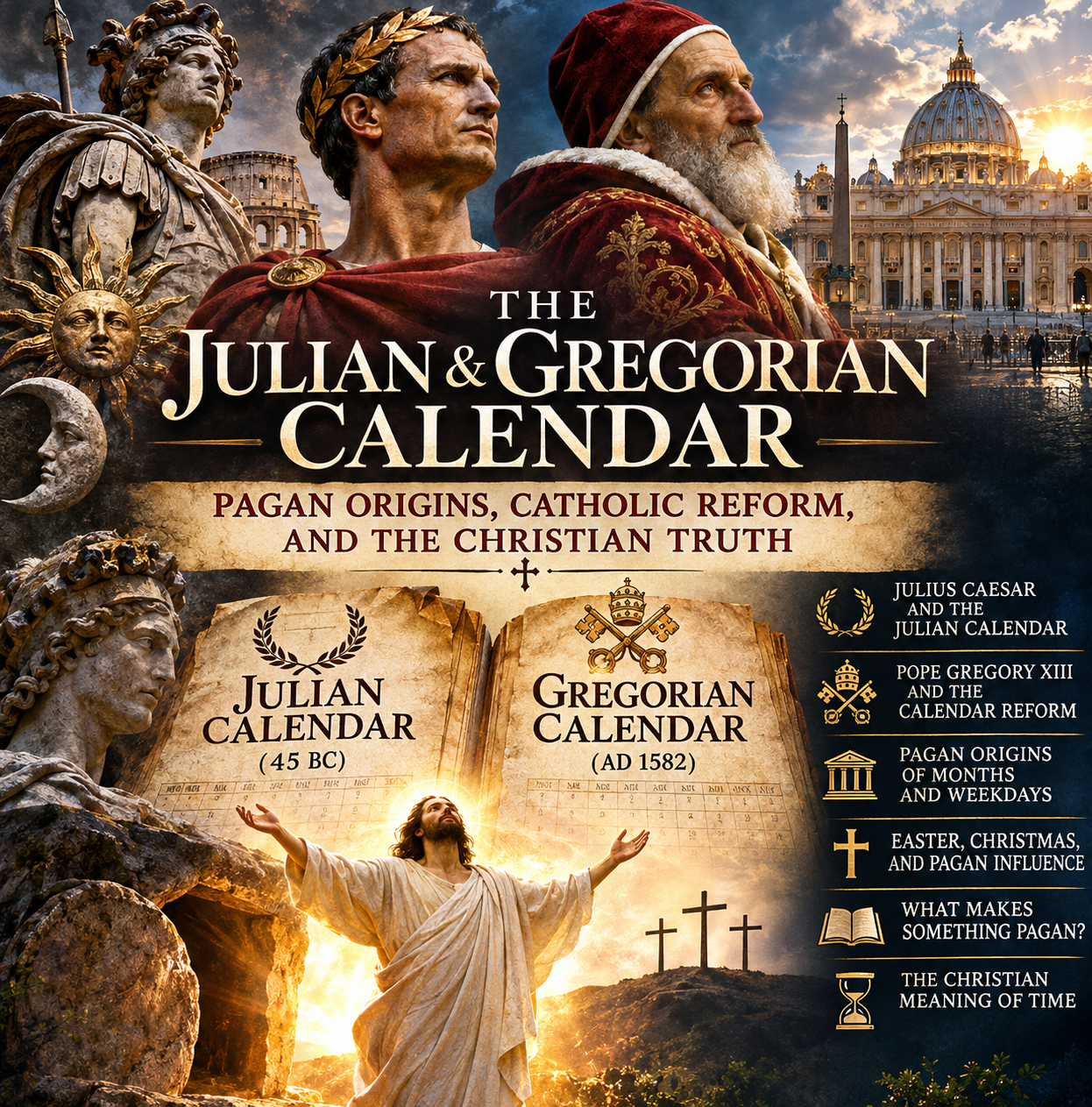
Who Owns Time? The Julian Calendar, the Gregorian Calendar, and the Pagan Origins We Have Forgotten
From the gods of ancient Rome to the reforms of a Catholic pope: a journey through history, astronomy, paganism, and the Christian understanding of sacred time. The calendar hanging on our wall carries a history far older than most people realize. Its months preserve the names of ancient gods and Roman emperors. Its weekdays echo…
-
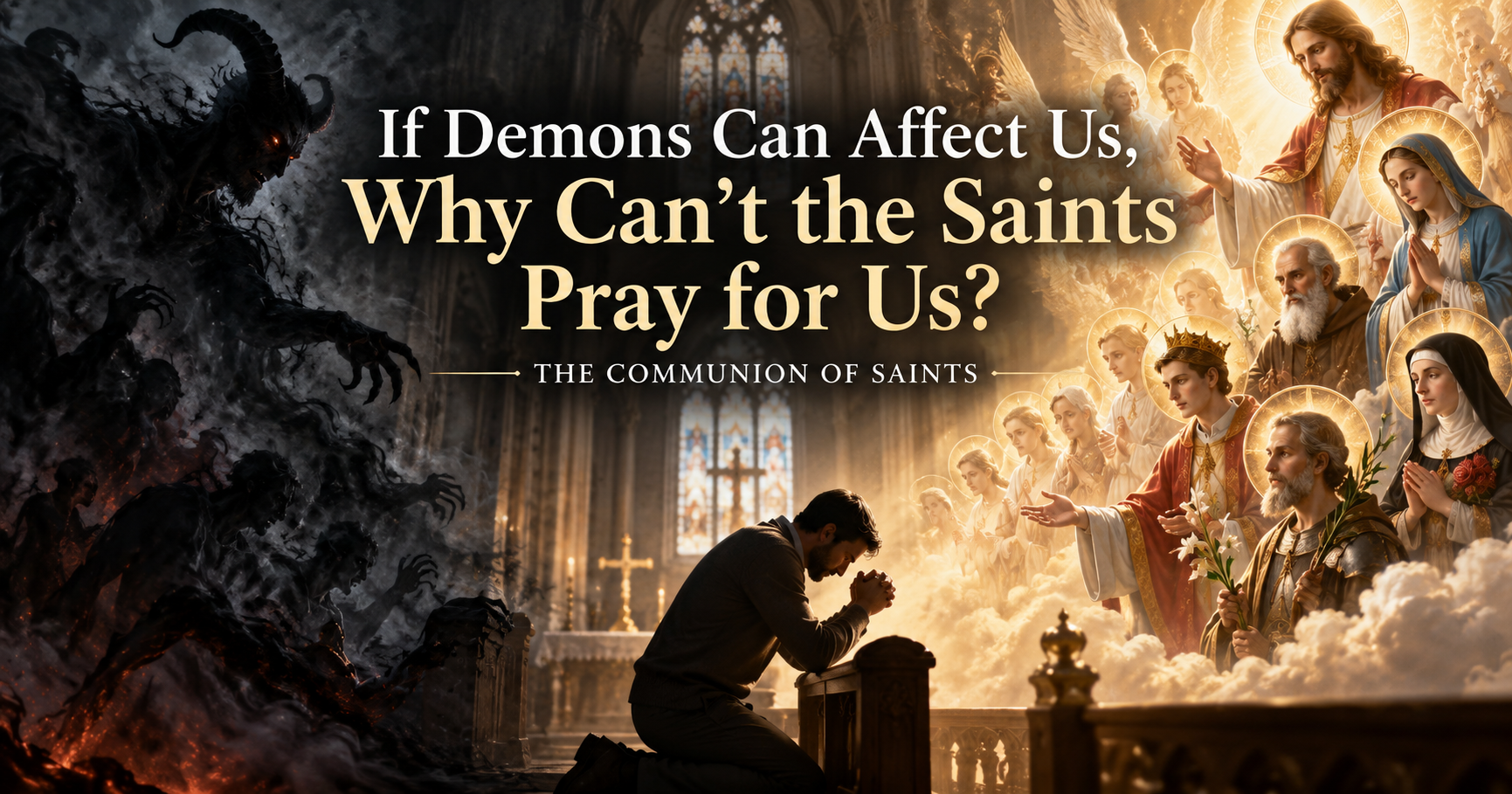
If Demons Can Affect Us, Why Can’t the Saints Pray for Us?
One of the more curious objections Catholics hear is that the saints in heaven cannot hear our requests for prayer, cannot know anything about what happens on earth, and certainly cannot intercede for us. Yet many of the same Christians have no difficulty believing that demons can tempt human beings, influence the world, wage spiritual…
-
When “What Scholars Really Say” Doesn’t Cite the Scholars
—
by
in Apostolic Tradition, Bible Translation, Biblical Exegesis, Biblical Theology, Catholic Apologetics, Catholic Doctrine, Catholic–Protestant Debate, Church Fathers, Early Church, Evangelical Protestantism, Magisterium, Protestant Objections, Sacred Scripture, Sacred Tradition, Scripture and Tradition, Sola ScripturaA Catholic Rebuke of Answering Catholics on Sacred Tradition Patrick O’Brien’s Answering Catholics recently published an article entitled “The ‘Tradition’ Translation Debate: What Scholars Really Say.” That is a confident title. There is only one immediate problem: The article does not actually tell us what the scholars really say. It repeatedly appeals to “nearly all…
-
Ten “Fatal Flaws” of Catholicism?
A CatholicG33k Response to Mike Gendron Editor’s Note Mike Gendron’s Ten Fatal Flaws of Catholicism is frequently presented as a biblical exposure of what the Catholic Church supposedly teaches. The difficulty is not that Gendron cites the Catechism. The difficulty is that he repeatedly cites Catholic sources and then interprets them in ways those same…
-
Catholic Prayers to Mary: When Quoting Devotional Language Is Mistaken for Refuting Catholic Doctrine
—
by
in Apologetics, Biblical Exegesis, Blessed Virgin Mary, Catholic Apologetics, Catholic Doctrine, Catholic Prayers, Catholic Theology, Catholic–Protestant Debate, Church Fathers, Communion of Saints, Devotional Theology, Intercession of the Saints, Marian Devotion, Marian Doctrine, Protestant Objections, Sacred TraditionA Catholic Rebuke of Answering Catholics on Marian Prayer, the Intercession of the Saints, the Glories of Mary, and the Unique Mediation of Jesus Christ Patrick O’Brien’s Answering Catholics has published an article entitled “Catholic Prayers To Mary.” The article begins by appealing to passages commanding believers to call upon God in times of trouble.…
-
Memento Mori: Remember That You Will Die
Why the Catholic remembrance of death is not morbid, but a school of wisdom, repentance, freedom, and hope CatholicG33k — Faith. Truth. Reason. There is a sentence the modern world does almost everything in its power to avoid: You are going to die. Not eventually in some vague, abstract sense. Not merely as a biological…
-
Prayer in the Early Church: What Tertullian Really Says—and What Answering Catholics Leaves Unexamined
A Catholic Response to Answering Catholics on the Lord’s Prayer, the Early Church Fathers, the Communion of Saints, and Christian Intercession Patrick O’Brien’s Answering Catholics published a page entitled “Prayer Discussed by the Early Church Writers.” The article reproduces a passage from Tertullian’s On Prayer, Chapter 2, concerning the opening words of the Lord’s Prayer.…