

The Fullness of the Christian Faith
New to Catholicism?
Discover the Church Founded by Jesus Christ
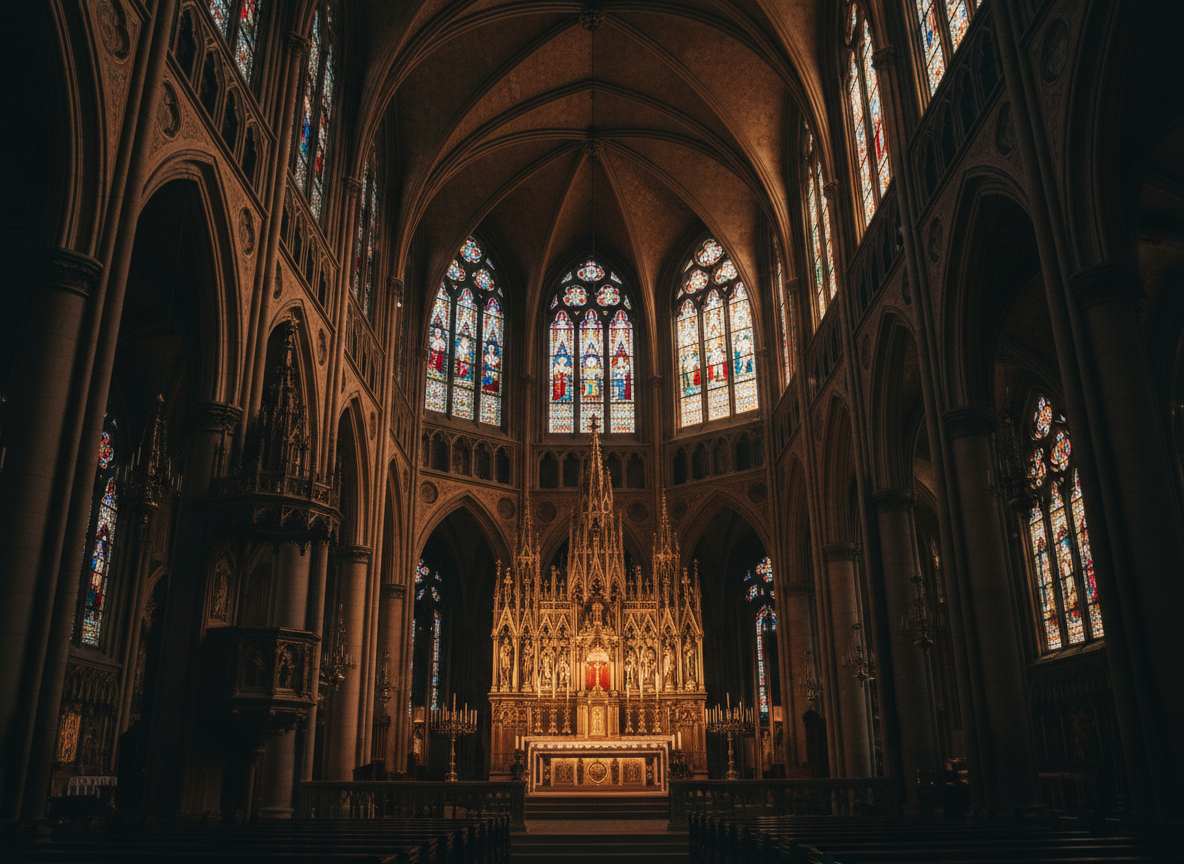
Welcome
You Are Invited to Look Deeper
Whether you already believe in Jesus Christ, are returning to Christian faith, or are simply beginning to ask questions, this page will help you understand what the Catholic Church teaches and why.
The Catholic Church teaches that she is the Church founded by Jesus Christ and entrusted to the Apostles, possessing the fullness of the means of salvation He gave to His Church.
She also recognizes validly baptized non-Catholic Christians as brothers and sisters in Christ. Although full visible communion remains wounded, genuine elements of truth, holiness, and grace are present in other Christian communities and call all Christians toward the unity for which Christ prayed.
Becoming Catholic is not merely changing labels or joining another organization. It is entering into full communion with Christ’s Church and receiving the fullness of the sacramental life He entrusted to her.
“Thou art Peter; and upon this rock I will build my church, and the gates of hell shall not prevail against it.”
Matthew 16:18 · Douay-Rheims
Christ and His People
What Is the Catholic Church?
The Catholic Church is the People of God, the Body of Christ, and the Temple of the Holy Spirit: a visible society and spiritual communion founded by Jesus Christ and entrusted to the Apostles.
Christ continues His saving mission through the Church by proclaiming the Gospel, teaching the truth, celebrating the sacraments, caring for those in need, and leading souls toward holiness and eternal life.
The Church is not merely a human organization. Sacred Scripture calls her the Body of Christ, the household of God, the People of God, and “the pillar and ground of the truth.”
Her members remain capable of grave sin and failure. Yet the Church’s divine constitution, holiness, truth, and saving mission come from Jesus Christ and the Holy Spirit—not from the personal perfection of every Catholic.
Why Catholic?
The Catholic Claim
The Catholic claim is that Jesus founded a visible, sacramental, and apostolic Church, and that this Church continues through history under the guidance of the Holy Spirit.
Founded by Jesus Christ
Jesus Christ established one visible Church and promised to remain with her until the end of the age.
Built on the Apostles
Christ entrusted His teaching, sacraments, authority, and mission to the Apostles, whose ministry continues through their successors.
Centered on the Sacraments
Through the sacraments, Christ continues to forgive, heal, strengthen, nourish, unite, and sanctify His people.
Guarded in Truth
Sacred Scripture and Sacred Tradition transmit the one deposit of faith. The Magisterium authentically interprets and faithfully serves that deposit.
Called to Visible Unity
The Pope and the bishops in communion with him serve the visible unity of the worldwide Church and guard the apostolic faith.
Sent to Every Nation
The word Catholic means universal. The Church exists to proclaim Christ, make disciples, worship God, sanctify His people, and serve those in need.
The Faith Catholics Profess
What Do Catholics Believe?
Catholic teaching is centered on Jesus Christ and the deposit of faith handed down by the Apostles.
The Holy Trinity
There is one God in three divine Persons: Father, Son, and Holy Spirit.
The Incarnation
Jesus Christ is true God and true man, the eternal Son who became flesh for our salvation.
Salvation by Grace
We are saved by God’s grace through faith in Jesus Christ—a living faith that works through charity, bears fruit in obedience, and perseveres to the end. Even our response to God is made possible by grace.
Sacred Scripture
The Bible is the inspired Word of God. It teaches without error the truth God willed to be written for our salvation and is read within the living faith of the Church.
Sacred Tradition
The apostolic faith is handed on in its entirety through the Church’s preaching, worship, teaching, and life.
The Sacraments
The sacraments are efficacious signs of grace, instituted by Christ and entrusted to the Church, through which divine life is given to us.
The Communion of Saints
All who belong to Christ are united in one family: the faithful on earth, the souls undergoing purification after death, and the saints in Heaven.
Resurrection and Eternal Life
Christ will come again in glory, raise all the dead, and judge every person. Those who die united to Him will share everlasting life with God.
Encountering the Living Christ
Why Do Catholics Have Sacraments?
The sacraments are efficacious signs of grace, instituted by Christ and entrusted to the Church, through which divine life is given to us. They are not empty ceremonies or merely human symbols.
Through the sacraments, Christ continues to forgive, heal, strengthen, nourish, unite, and sanctify His people. The same Jesus who touched, healed, and restored people in the Gospels continues to act through the sacramental ministry of His Church.
Seven Gifts of Grace
The Seven Sacraments
Baptism
New birth of water and the Holy Spirit, forgiveness of sins, and incorporation into Christ and His Church.
Confirmation
A deepening of baptismal grace, a special outpouring of the Holy Spirit, and strengthening for faithful Christian witness.
Eucharist
Jesus Christ truly, really, and substantially present—Body, Blood, Soul, and Divinity—the source and summit of Christian life.
Penance and Reconciliation
The forgiveness of sins committed after Baptism and reconciliation with God and the Church through sacramental Confession.
Anointing of the Sick
Spiritual strengthening, peace, courage, union with Christ’s suffering, forgiveness when needed, and bodily healing when it serves the person’s salvation.
Holy Orders
The sacrament by which bishops, priests, and deacons are ordained for the service of Christ and His Church.
Matrimony
The lifelong covenant by which a baptized man and woman establish a communion of life and love, ordered to their good and the procreation and education of children.
The Ministry of Peter
Why Do Catholics Have a Pope?
Jesus gave Saint Peter a unique role among the Apostles. Christ gave him the keys of the Kingdom, prayed specifically for his faith, commanded him to strengthen his brethren, and entrusted him with shepherding the flock.
The Pope, Bishop of Rome and successor of Saint Peter, is the visible source and foundation of unity among the bishops and the faithful. As supreme pastor of the universal Church, he is charged with strengthening his brethren, shepherding Christ’s flock, and guarding the apostolic faith.
The Family of God
Why Honor Mary and the Saints?
Catholics give adoration to God alone. Mary receives unique honor as the Mother of God and the foremost disciple of Christ; the other saints are honored because of what God’s grace accomplished in them and because they remain living members of Christ’s glorified Body.
Asking Mary or another saint to pray for us is not worship and does not replace prayer to God. It is asking a glorified member of Christ’s Body to intercede for us, just as Christians on earth pray for one another.
Scripture, Tradition, and Authority
Why Do Catholics Trust the Church?
Catholics trust the Church because Christ entrusted His teaching and authority to the Apostles, promised to remain with His Church, and sent the Holy Spirit to guide her in truth.
Sacred Scripture and Sacred Tradition together transmit the one deposit of faith entrusted by Christ to the Apostles. Catholics therefore read the Bible within the Church’s living apostolic faith.
The Magisterium—the teaching office of the Pope and the bishops in communion with him—does not stand above the Word of God. It serves the Word by listening to it devoutly, guarding it conscientiously, explaining it faithfully, and handing on what the Church has received.
Common Questions
Clearing Away Misunderstandings
Are Catholics Christian?
Yes. Catholics are Christians who confess Jesus Christ as Lord, true God and true man, who died and rose for our salvation.
Do Catholics worship Mary?
No. Catholics give adoration to God alone. Mary receives unique honor as the Mother of God and the foremost disciple of Christ; the other saints are honored as works of God’s grace and members of Christ’s glorified Body.
Why ask Mary and the saints to pray for us?
Asking Mary or another saint to pray for us is not worship and does not replace prayer to God. It is asking a glorified member of Christ’s Body to intercede for us, just as Christians on earth pray for one another.
Do Catholics believe the Bible?
Yes. Catholics receive the seventy-three books of the Bible as the inspired Word of God and interpret Scripture within the apostolic faith and living Tradition of the Church.
Why do Catholics go to Confession?
Catholics go to Confession because the risen Christ gave His Apostles authority to forgive sins in His name, and He continues that ministry through bishops and priests.
Why do Catholics attend Mass?
Catholics attend Mass because God commands worship, Sunday is the Lord’s Day, and the Mass makes sacramentally present the one sacrifice of Christ. In the Eucharist, Jesus Christ is truly, really, and substantially present—Body, Blood, Soul, and Divinity.
Are Catholics saved by works?
No one can earn the grace of salvation by merely human effort. We are justified by God’s grace through faith in Jesus Christ. This grace makes faith living in charity and enables the good works God has prepared for us.
Is everything the Pope says infallible?
No. The Pope is not sinless, and not every statement he makes is infallible. Papal infallibility applies only under specific conditions when, as supreme pastor and teacher of all Christians, he definitively proclaims a doctrine of faith or morals to be held by the whole Church.
A Real Path Forward
How Can I Become Catholic?
Parishes ordinarily accompany adults through OCIA—the Order of Christian Initiation of Adults—or another suitable process of formation.
Unbaptized adults who enter the catechumenate are called catechumens and prepare for Baptism, Confirmation, and the Holy Eucharist. Validly baptized Christians preparing to enter full communion are called candidates; they are not baptized again. Baptized Catholics who have not completed Christian initiation receive formation suited to their circumstances.
Formation includes learning, prayer, discernment, conversion, participation in parish life, and preparation for the sacraments. Beginning inquiry does not commit you to becoming Catholic. It gives you a place to ask questions and seek Christ freely and sincerely.
What Does This Mean for Me?
Take the Next Faithful Step
If you are exploring Catholicism, you do not need to have every question answered immediately. Faith often grows step by step as we seek Christ with sincerity and respond to His grace.
The Catholic Church invites you to encounter Jesus Christ more deeply through Sacred Scripture, Sacred Tradition, the sacraments, the communion of the Church, and a life of prayer and charity.
Becoming Catholic is not merely joining an institution. It is entering into full communion with the Church Christ founded and learning to follow Him through a life of worship, discipleship, conversion, and service.
If you feel drawn toward the Catholic faith, that may be God’s grace already working in your heart. Continue asking questions, pray honestly, attend Mass without receiving Holy Communion, visit a parish, and learn more through OCIA or another suitable process of formation.
A Prayer for Discernment
Lord Jesus Christ, Lead Me Into Truth
Lord Jesus Christ, You are the Way, the Truth, and the Life. Give me humility to seek You honestly, docility to the Holy Spirit, and courage to follow wherever You lead.
Remove fear, pride, confusion, and prejudice from my heart. Help me recognize Your voice, understand Your Church, and receive the grace You desire to give me.
Lead me into the fullness of truth, holiness, and communion with You. Through the intercession of the Blessed Virgin Mary and all the saints, keep me faithful to Your will. Amen.
Continue Your Journey
You Do Not Have to Walk Alone
Learn about OCIA, visit a Catholic parish, or reach out with the questions you are still carrying.